
People often ask about dogs licking their wounds, and whether that promotes healing or gets in the way of proper healing. There’s nothing quite so pitiful as an injured dog wearing one of those big conical collars to prevent them from doing what they most want to do by nature lick their wounds.''
And while it’s certainly good to keep your pet from licking freshly stitched cuts (he might pull out stitches and end up with a bigger, uglier scar), once the stitches have been in place for a few days and begin to dissolve or are very soon to be removed, letting the dog go ahead and lick may even promote healing. There are a couple of reasons for this. First, it’s true that dog saliva has antibiotic properties. Specifically, dog saliva contains lysozyme, an enzyme that lyses and destroys harmful bacteria. This means the enzyme attaches to the bacterial cell wall – particularly gram-positive bacteria – and weakens it, leading to rupture.''
The second reason is direct stimulation of the tissues and small blood vessels surrounding the wound site. This helps to increase blood flow and promote the growth of new capillaries, while the blood brings white cells, platelets, growth factors and other of the body’s natural healing agents to the wound site. So if your dog has an injury or undergoes an operation, ask your vet when it will be safe to allow the dog to lick the wound. Generally the vet will have administered antibiotic drugs, so infection of the wound site usually isn’t a big concern.''
Diseases from Dogs
Although dogs can pass germs to people, you are not likely to get sick from touching or owning dogs. To best protect yourself from getting sick, thoroughly wash your hands with running water and soap after contact with dogs, dog saliva, or dog feces (stool).''
Dogs can carry a variety of germs that can make people sick. Some of these germs are common and some are rare. For example, puppies may pass the bacterium Campylobacter in their feces (stool). This germ can cause diarrhea in people. Puppies and some adult dogs often carry a variety of parasites that can cause rashes or illness in people. Less often, dogs in urban or rural areas can carry the bacterium Leptospira (lep-TO-spy-ruh). This germ causes the disease leptospirosis (lep-to-spi-roh-sis) in people and animals. Dogs can also carry rabies, a deadly viral disease. Rabies from dogs is rare in the United States.''
Some people are more likely than others to get diseases from dogs. A person's age and health status may affect his or her immune system, increasing the chances of getting sick. People who are more likely to get diseases from dogs include infants, children younger than 5 years old, organ transplant patients, people with HIV/AIDS, and people being treated for cancer. Special advice is available for people who are at greater risk than others of getting diseases from animals.'' Many groups support the health benefits of pets. These groups provide information on how pets can help people be healthy.''
Below, diseases.
*Brucella canis Infection (brucellosis): A bacterial disease rarely associated with dogs.
Campylobacter Infection (campylobacteriosis): A bacterial disease associated with dogs, cats, and farm animals.''
*Cryptosporidium Infection (cryptosporidiosis): A parasitic disease associated with dogs, especially puppies, cats, and farm animals.
*Dipylidium Infection (tapeworm): A parasitic disease associated with dogs, cats and fleas.
*Giardia Infection (giardiasis): A parasitic disease associated with various animals, including dogs and their environment (including water).
*Hookworm Infection: A parasitic disease associated with dogs and cats and their environment.
Myth certainty Above
Pet lovers can't get enough affection from their pooches. And if licking is loving, they get a lot of loving.
But is it really safe to kiss a dog, considering where they often put their mouths? "Their saliva is much cleaner and if you have a cut or anything, if they lick it -- it's healing," one woman told "20/20" while being interviewed in New York City.
Proof From a Veterinarian
To find out just who has a cleaner mouth, we asked veterinarian and fellow dog lover Marty Becker, author of "Chicken Soup for the Dog Owner's Soul," to offer his opinion. "They raid the garbage can. You know, we give each other a peck on the cheek when we say hello, they give each other a peck on the rear end," said Becker. "All you got to do is look, watch, smell and you'll realize that that is not true."
He thinks the myth that a dog's mouth is clean stems from their practice of licking their wounds.
"And they'll be licking that wound and you'll notice that the wound heals very fast … what that tongue does is it gets rid of the dead tissue," said Becker. He compares that tongue lashing to the work of a surgeon who cleans out a wound, and said the licking also stimulates circulation.''
Go Ahead, Give Them a Kiss
If you want to give your pooch a kiss, it may be safer than kissing another human. Becker says many of the bacteria in the mouth of a dog are species specific, so it won't harm its owner.
"So a staph or a strep for a human is not transmissible to a dog, if you were to kiss it, and vice versa," said Becker. Bottom line -- you're more likely to get a serious illness from kissing a person than kissing a dog. But since dogs do transmit some germs, Becker has some advice: "Keep the vaccines current. Good external parasite control, good internal parasite control. You're going to be good to go."
And then, he says you can kiss them all you want.
"They love us unconditionally, they make us laugh," said Becker. "If we're going to give them a little kiss to thank them for that, then that's good by me."
Also you can conclude Such Myth?
Saturday, September 29, 2012
Myth: Saliva Dogs Can Heal Wounds & Answer The Fact

What is Gum Disease?
 Gum disease, also known as periodontal disease, is a condition in which the gums, deeper supporting tissue, and potentially the bone surrounding teeth become infected and inflamed. Gum disease starts with plaque on the teeth, a sticky white substance that coats teeth. It's formed when bacteria in the mouth mixes with saliva and residues from starchy foods and sugar in your diet. If plaque isn't properly removed from teeth by brushing and flossing, it accumulates and hardens underneath the gumline into tartar. Once tartar builds up, it's much more difficult to remove than plaque and usually requires a cleaning at the dentist. Over time, it can lead to inflamed gums, or gingivitis. This is a mild form of gum disease. One of the most common symptoms is darker red gums that bleed with brushing or flossing. Professional cleaning can reverse gingivitis.
See an illustration of gingivitis
If there is bleeding with pain, it is a symptom that the infection and inflammation has spread to the deeper tissues and bone, called periodontitis. After the age of 30, periodontitis is responsible for tooth loss, more so than cavities.
Symptoms of Gum Disease
* Red, swollen gums
* Bleeding while brushing or flossing
* Receding gums
* Chronic bad breath
* Loose teeth or widening space between gums and teeth
Remedies for Gum Disease
Here are seven natural remedies that are used to treat gum disease.
1. Vitamin C
The link between vitamin C deficiency and gum disease is well known. Back in the 18th century, sailors ate limes during long trips at sea to keep their gums from bleeding. A study in the Journal of Periodontology found that people with low intakes of vitamin C had higher rates of periodontal disease. Researchers looked at 12,419 adults in the United States. People who consumed less than the recommended dietary allowance (RDA) of 60 mg per day were 1.5 the risk of developing severe gingivitis as people who consumed more than 180 mg. Vitamin C is believed to help gum disease because vitamin C is an antioxidant and is needed to repair connective tissue and accelerate bone regeneration. To boost your intake of vitamin C, eat foods rich in vitamin C, such as grapefruit, oranges, kiwi fruit, mango, papaya, strawberry, red pepper, broccoli, brussels sprouts, and cantaloupe. Vitamin C can also be taken in supplement form. Avoid chewable vitamin C, because the acidity may promote the erosion of tooth enamel over time.
2. Vitamin D
Vitamin D has been found to have anti-inflammatory effects and may reduce susceptibility to gum disease. A study by the Boston University evaluated the association between vitamin D status and gingivitis. They analyzed data from 77,503 teeth in 6700 people in the third National Health and Nutrition Examination Survey and found that people with higher blood levels of vitamin D were less likely to experience bleeding gums during gingival probing. Sun exposure is one of the most important sources of vitamin D, because UV rays from the sun trigger the synthesis of vitamin D in skin. The National Institutes of Health Office of Dietary Supplements suggests 10 to 15 minutes of sun exposure twice a week, however the further away from the equator you live, the more polluted your city, and the more cloud cover there is, the less likely that this sun exposure will be sufficient. Look for at least 200 IU in a multivitamin.
3. Stress reduction
Stress contributes to gum disease by increasing plaque accumulation. A University of Dusseldorf study examined how exam stress would impact plaque and gum bleeding. All students had a professional tooth cleaning 4 weeks prior to exams and then 4 weeks after exams. They found that students had significantly higher rates of plaque and gingivitis after exams compared to a control group of students that didn't write exams.
* Relaxation Response
* Mindfulness Meditation
* Diaphragmatic Breathing
4. Coenzyme Q10
There is some evidence has linking gum disease to lower levels of coenzyme q10, an antioxidant made naturally in the body, found widely in foods, and available in supplement form. Some researchers say that coenzyme q10 is needed to properly repair gum tissue. A study by Osaka University in Japan found improvement in infection and inflammation after 3 weeks of taking a topical coenzyme q10 toothpaste. You can look find toothpaste containing coenzyme q10 at natural grocers, health food stores, and online. For more information on coenzyme q10, read the Coenzyme Q10 Fact Sheet,
5. Tea tree oil
Tea tree oil has proven antibiotic properties. A topically applied tea tree oil gel was evaluated in a double-blind placebo-controlled study involving 49 people with severe chronic gingivitis. They were told to brush twice a day and were assessed after 4 and 8 weeks. The group that brushed with tea tree oil had a significant reduction in the degree of gingivitis and bleeding. However, tea tree oil gel did not reduce the amount of plaque. Use only commercial tea tree toothpaste, not tea tree oil. For more information on tea tree oil, read the Tea Tree Oil Fact Sheet.
6. Cranberry
Cranberry may help gum disease by preventing bacteria from sticking to teeth. Look for cranberry juice with no added sugar at the health food store. A typical amount is 4 ounces a day. Consult your doctor if you are taking the blood thinner warfarin or have kidney stones. Read more about cranberry
7. Consider an oscillating rotating electric toothbrush
A Dutch study reviewed randomized controlled trials and found that the use of electric toothbrushes with oscillating, rotating heads for 3 months reduced gingivitis compared to manual brushing with a regular toothbrush. There was also some reduction in plaque, although it was not statistically significant. Another study found that the Oral-B ProfessionalCare 7000, which has an oscillating, rotating head, was more effective at reducing plaque and bleeding of gingivitis compared with another electric toothbrush.
Sources
Carinci F, Pezzetti F, Spina AM, Palmieri A, Laino G, De Rosa A, Farina E, Illiano F, Stabellini G, Perrotti V, Piattelli A. Effect of Vitamin C on pre-osteoblast gene expression. Arch Oral Biol. 2005 May;50(5):481-96.
Deinzer R, Granrath N, Spahl M, Linz S, Waschul B, Herforth A. Stress, oral health behaviour and clinical outcome. Br J Health Psychol. 2005 May;10(Pt 2):269-83.
Dietrich T, Nunn M, Dawson-Hughes B, Bischoff-Ferrari HA. Association between serum concentrations of 25-hydroxyvitamin D and gingival inflammation. Am J Clin Nutr. 2005 Sep;82(3):575-80.
Hanioka T, Tanaka M, Ojima M, Shizukuishi S, Folkers K. Effect of topical application of coenzyme Q10 on adult periodontitis. Mol Aspects Med. 1994;15 Suppl:s241-8.
TAg: what is gum disease,gum disease pictures,gum disease treatment,gum disease
Tonsil Cancer (MD Anderson)
 |
| MD Anderson |
I was recommended to get a needle biopsy and the test result came that I had Tonsil Cancer. That was 14 months ago. I was referred to the University of Kansas Medical Center, where they wanted to do and I was schedule for a radical neck surgery, where they were going to open my up from ear to ear, and take out ALL the lymph nods, and salivary glands, and necrotic glands. Take out every thing off my neck. I was not very exited about THAT TYPE OF DISFIGURING\, surgical solutions. That was the only option at the University of Kansas Medical Center.''
I decided to get a second opinion at MD Anderson Cancer Institute; in Houston, Texas. The second opinion was that surgery was not the appropriate option, They said they don't treat this type of tumors with surgery; they treat it with what they call induction chemotherapy for a couple of weeks, and then they use high dose radiation, about 30 rounds of high dose radiation.''
The option from MD Anderson was not all that palpable to me either; and the reason for that is they said I had 30% chances of loosing my mandible..."
Tonsil cancer is cancer that occurs in one of the three types of tonsils of the throat. It most commonly occurs in the palatine tonsils, which are located on either side of the throat, although it can also occur in the pharyngeal tonsils (also called adenoids), which are behind the nasal cavity, or in the lingual tonsils, which are at the back of the tongue. ''
Most tonsil cancers are squamous cell carcinomas, which arise in the lining tissues of the mouth, although it is possible for lymphoma (a type of immune system cancer) to develop in the tonsils. Smoking is the most common risk factor for squamous cell carcinomas of the tonsils. Alcohol is also a risk factor; the combination of smoking and alcohol use yields an even greater risk than using either substance alone.''
Symptoms of tonsil cancer include a sore at the back of the throat that does not heal, or one tonsil that is bigger than the other. It may or may not be painful. Tonsil cancer is known to cause bleeding, bad breath, or altered taste. Larger cancers can interfere with eating, talking or breathing, and may make it difficult to open the mouth.
Radiation therapy or surgery can be effective in treating early tonsil cancer, and chemotherapy can be effective in treating more advanced tonsil cancer. Following surgery to remove cancerous tissue, reconstructive surgery can help restore structures that have been removed and rehabilitation can help you relearn how to eat, swallow or talk, if needed.''
Some complications of tonsil cancer can be serious. Seek immediate medical care (call 911) for serious symptoms, such as uncontrolled or heavy bleeding or respiratory or breathing problems, such as shortness of breath, difficulty breathing, labored breathing, wheezing, not breathing, or choking. You have the best chance of curing tonsil cancer if you catch it early. Seek prompt medical care if you have bleeding in the throat, notice sores or lumps in the back of the throat, have difficulty eating, swallowing or speaking, or have any other symptoms that concern you.''
Burning Mouth Syndrome
 It's a tingling or burning sensation in the mouth that many patients fear is oral cancer, but Burning Mouth Syndrome is fairly easy to treat once a diagnosis is made.''
Burning mouth syndrome (BMS) is a painful, frustrating condition often described as a scalding sensation in the tongue, lips, palate, or throughout the mouth. Although BMS can affect anyone, it occurs most commonly in middle-aged or older women.
BMS often occurs with a range of medical and dental conditions, from nutritional deficiencies and menopause to dry mouth and allergies. But their connection is unclear, and the exact cause of burning mouth syndrome cannot always be identified with certainty.''
Signs and Symptoms
Moderate to severe burning in the mouth is the main symptom of BMS and can persist for months or years. For many people, the burning sensation begins in late morning, builds to a peak by evening, and often subsides at night. Some feel constant pain; for others, pain comes and goes. Anxiety and depression are common in people with burning mouth syndrome and may result from their chronic pain.''
Other symptoms of BMS include:
* tingling or numbness on the tip of the tongue or in the mouth
* bitter or metallic changes in taste
* dry or sore mouth.
Causes
There are a number of possible causes of burning mouth syndrome, including:
"damage to nerves that control pain and taste
"hormonal changes
"dry mouth, which can be caused by many medicines and disorders such as Sjögren's syndrome or diabetes
"nutritional deficiencies
"oral candidiasis, a fungal infection in the mouth
"acid reflux
"poorly-fitting dentures or allergies to denture materials
"anxiety and depression.
In some people, burning mouth syndrome may have more than one cause. But for many, the exact cause of their symptoms cannot be found.''
Diagnosis
A review of your medical history, a thorough oral examination, and a general medical examination may help identify the source of your burning mouth. Tests may include:
"blood work to look for infection, nutritional deficiencies, and disorders associated with BMS such as diabetes or thyroid problems
"oral swab to check for oral candidiasis
"allergy testing for denture materials, certain foods, or other substances that may be causing your symptoms.
Treatment
Treatment should be tailored to your individual needs. Depending on the cause of your BMS symptoms, possible treatments may include:
* adjusting or replacing irritating dentures
* treating existing disorders such as diabetes, Sjögren's syndrome, or a thyroid problem to improve burning mouth symptoms
* recommending supplements for nutritional deficiencies
* switching medicine, where possible, if a drug you are taking is causing your burning mouth
* prescribing medications to
* relieve dry mouth
* treat oral candidiasis
* help control pain from nerve damage
* relieve anxiety and depression.
When no underlying cause can be found, treatment is aimed at the symptoms to try to reduce the pain associated with burning mouth syndrome.''
Helpful Tips
You can also try these self-care tips to help ease the pain of burning mouth syndrome.
* Sip water frequently.
* Suck on ice chips.
* Avoid irritating substances like hot, spicy foods; mouthwashes that contain alcohol; and products high in acid, like citrus fruits and juices.
* Chew sugarless gum.
* Brush your teeth/dentures with baking soda and water.
* Avoid alcohol and tobacco products.
Talk with your dentist and doctor about other possible steps you can take to minimize the problems associated with burning mouth syndrome.''
What is Periodontal Disease?
 What is periodontal disease?
* initial lesion
* early lesion
* established lesion
* advanced lesion
Initial lesion
Healthy gingiva are characterized by small numbers of leukocytes migrating towards the gingival sulcus and residing in the junctional epithelium. Sparse lymphocytes, and plasma cells in particular, may exist just after exiting small blood vessels deep within the underlying connective tissue of the soft tissue between teeth. The initial lesion appears within two to four days of gingival tissue being subjected to plaque accumulation. Periodontal diseases are infections of the gums and bone that surround and support the teeth. Periodontal disease is mostly seen in adults. Periodontal disease and tooth decay are the two biggest threats to dental health.Early lesionFeatures of the Early Lesion:- Accentuation of features of the initial lesion, such as the considerably greater loss of collagen
- Accumulation of lymphocytes subjacent to junctional epithelium
- Preliminary proliferation of basal cells of junctional epithelium
Established lesion
The hallmark of the established lesion if the overwhelming presence of plasma cells in relation to the prior stages of inflammation. In health, the junctional epithelium creates the most coronal attachment of the gum tissue to the tooth at or near the cementoenamel junction. In the established lesion of periodontal disease, the connective tissue lying subjacent to the junctional epithelium is nearly destroyed, failing to properly support the epithelium and buttress it against the tooth surface. While many established lesions continue to the advanced lesion (below), most either remain as established lesions for decades or indefinitely; the mechanisms behind this phenomenon are not well understood.'' Features of the Established Lesion:
* Predominance of plasma cells without bone loss
* Presence of extravascular immunoglobulins in the connective tissue and junctional epithelium
* Continuing loss of collagenBacteria in the mouth infect tissue surrounding the tooth, causing inflammation
Around the tooth leading to periodontal disease. When bacteria stay on the teeth long enough, they form a film called plaque, which eventually hardens to tartar, also called calculus. Then, only a dental health professional can remove the tartar and stop the periodontal disease process.The following are warning signs of periodontal disease:
*Red or swollen gums
*Tender or bleeding gums
*Loose teeth
*Sensitive teeth
*Gums that have pulled away from your teethCertain factors increase the risk for periodontal disease:*Diabetes
*Poor oral hygiene
*Crooked teethTo help prevent or control periodontal diseases, it is important to:Brush and floss every day to remove the bacteria that cause gum disease.What is the CDC doing about periodontal disease?CDC collaborations related to periodontal disease and diabetesAdvanced lesion- Periodontal pocket formation- Destruction of the alveolar bone and periodontal ligament- Tooth mobility, drifting and eventual loss The clusters of perivascular plasma cells still appears from the established lesion. Features of the Advanced Lesion:
* Extension of the lesion into alveolar bone, periodontal ligament with significant bone loss
* Continued loss of collagen
* Formation of periodontal pocketing
* Conversion of bone marrow into fibrous connective tissue
Treatment
The treatment of periodontal disease begins with the removal of sub-gingival calculus (tartar) and biofilm deposits. Dental calculus deposits harbor harmful bacteria. The bacteria responsible for most periodontal disease are anaerobic, and oxygenation reduces populations. Periostat has been clinically proven to decrease alveolar bone loss and improve the conditions of periodontal disease with minimal side-effects. Laser-assisted periodontal therapy has been shown to kill the bacteria that causes periodontal disease as well as grow bone in certain cases. Bacteria around teeth cause the destruction and foul odors in a person with gum disease, specifically sulfur-containing compounds. Once the calculus builds up around the teeth, in between them, and the gums, it causes the gums to pull away from the teeth.''
Periodontal Disease.?
Friday, September 28, 2012
Athlete's Foot - Infections, Care, Contagious, Definition and Treatments (Skin)

Athlete's Foot - Infections, Care, Contagious, Definition (Skin)
Definition Athlete's Foot
Athlete's foot is a very common skin infection of the feet caused by fungus. The fungus that commonly causes athlete's foot is called Trichophyton. When the legs or other areas of the body stay moist, warm, and irritated, this fungus can grow and infect the upper layer of the skin. Fungal infections can occur anywhere on the body, including the scalp, body, body, limbs (arms and legs), hands, feet, nails, groin, and areas other.
Athlete's foot is caused by the ringworm fungus ("tinea" in medical jargon). Athlete's foot is also called tinea pedis. The fungus that causes athlete's foot can be found in many locations, including floors in gyms, locker rooms clothes (locker rooms), swimming pools, nail salons, and in socks and underwear. Mushrooms can also be spread directly from person to person or by touch (contact) with these objects.
However, without the growing conditions are right (an environment that is warm and humid), the fungus may not easily infect the skin. Up to 70% of the population may have athlete's foot at some point during their lives. Symptoms of Athlete's Foot
The symptoms of athlete's foot typically include varying degrees of itching and burning. The skin may frequently peel, and in cases of particularly severe, there may be some cracking, pain and bleeding as well. Some people have no symptoms at all and did not know they have an infection.
Form Athlete's Foot
Athlete's foot may appear as areas of red skin, peeling and dry in one or both feet. Sometimes dry flakes may spread on the sides and top of the legs. The most common rash is localized on only the soles of the feet. The spaces between the toes of the fourth and fifth also may have some moisture, stripping, and dry flakes. There are three common types of athlete's foot:
1. soles of the feet, also called type "moccasin"2. between the toes, also called type "interdigital"3. inflammatory type or blistering (blistering)
The cases that are not public might look like bubbles (blisters) are small or large feet (called bullous tinea pedis), thick patches of red and dry skin, or calluses with redness. Occasionally, it may seem like just a mild, dry skin without the redness or inflammation.
Athlete's foot may present as a rash on one or both legs, and even involving the hands. This is a very common designation of athlete's foot. Fungal infections are called tinea manuum hand. The exact cause of why the infection usually affects only one hand is not known.
Athlete's foot may also be seen along with ringworm of the groin (especially in men) or the hands. It is useful to examine the legs whenever there is a fungal groin rash called tinea cruris. It is important to treat all areas of fungal infection at the same time to avoid re-infection. Are Athlete's Foot Contagious?
Athlete's foot may spread from person to person, but he did not always contagious. Some people may be more susceptible to the fungus that causes athlete's foot where others are more resistant (resistant). There are many households where two people (often husband and wife or children) who use the same bathing place for many years the fungus has not spread among them. The exact cause of this tendency or susceptibility to fungal infections is unknown. Some people seem more prone to fungal skin infections than others.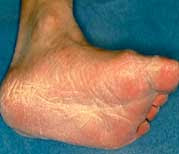 What are the Causes of Rash-Rash Legs?
There are many possible causes of leg rashes. Athlete's foot is one of the causes are more common. Additional causes include infections of the skin (dermatitis) that irritate or contact (touching), allergic rashes from shoes or other creams, dyshidrotic eczema (allergic skin rash), psoriasis, keratodermia blenorrhagicum, yeast infections, and bacterial infections.
Your doctor can perform a simple test called a KOH, or potassium hydroxide for microscopic examination of fungi, in the office or laboratory to confirm the presence of a fungal infection. This test is carried out by using small pieces of skin were tested under a microscope. Many skin specialists (dermatologists) to conduct this test in their practice with results available within minutes. Rarely, a small piece of skin may be removed and sent for biopsy to help confirm the diagnosis. Athlete's Foot Care
Treatment athlete's foot can be divided into two parts. The first, and most important part, is to make the infected area less suitable for athlete's foot fungus to grow. This means keeping the area clean and dry.
Buy shoes that are leather or other material that can breathe. Shoe materials, like vinyl, which does not breathe cause your legs remain moist, providing an excellent area for mushroom breeding. Likewise, socks that can absorb like cotton which absorbs water from your legs may help.
Powders, especially powders of treatment (such as with miconazole or tolnaftate), can help keep your feet dry. Finally, your feet can be soaked in a solution of dry aluminum acetate (Burrow's solution or solution Domeboro). A home-made drugs from the marinade of white vinegar diluted using one part vinegar and about four parts water, once or twice per day as a bath-soaking feet for 10 minutes may be helpful in treatment.
The second part of the treatment is the use of creams and anti-fungal rinse-rinse. Many medications are available, including sprays and creams miconazole, clotrimazole, terbinafine (Lamisil), and ketoconazole shampoo and cream, and so on. Ask your doctor or pharmacist for a recommendation. Treatment for athlete's foot should generally be continued for four weeks, or at least one week after all symptoms of the skin has been lost.
The cases are more advanced or resistant of athlete's foot may require a trip of two to three weeks of an antifungal oral (pill) such as terbinafine, itraconazole (Sporanox) or fluconazole (Diflucan). Laboratory blood tests to make sure no liver disease may be necessary before taking these pills.
Topical corticosteroid creams (worn on the outside) can work as a fertilizer for mushrooms and may actually worsen skin fungal infections. These medications are topical steroids have no role in treating athlete's foot.
If the fungal infection has spread to the nails of the toes, the nails should also be treated to avoid re-infection of the feet. Often, the nails were initially ignored only to find the athlete's foot remained relapse. It is important to take care of all the mushrooms that look at the same time. Effective nail fungus treatment is more intensive and may require prolonged journeys (three to four months) of anti-fungal medications orally. When should I seek medical care?
If you notice any redness, increased swelling, bleeding, or if your infection does not disappear, see your doctor. If a bacterial infection also occurs, an antibiotic pills may be necessary. If you have a fungal nail involvement, are diabetic, or have a compromised immune system, you should also visit your doctor immediately for treatment. Possible Complications of Athlete's Foot
Not treated, athlete's foot can potentially spread to other body parts or other persons including family members. Fungus may spread locally to the legs, toe nails, hands, finger nails, and basically any body area.
This type of fungus is generally happy to live in the skin, hair, and nails. He did not attack the inside, go to the organs of the body, or go into the blood system.
Fungal infections of the nails is called tinea unguium or onychomycosis. Nail fungus is probably very difficult to treat. Antifungal pills may be necessary in cases of further infections toe nail fungus.
People with diabetes, HIV / AIDS, cancer, or other immune problems may be more prone to all kinds of infections, including fungi.
When skin is injured by the fungus, which protects the natural skin barrier broken. Bacteria and yeast, the yeast can then invade the broken skin. Bacteria can cause a foul odor. Bacterial infections of the skin and inflammation that result from it are known as cellulitis. This is especially more likely to occur in older people, individuals with diabetes, chronic leg swelling, or who have been issued vein-vein (such as for heart bypass surgery). Bacterial skin infections also occurred more frequently in patients with immune systems are impaired.
Which type of Doctor Treating Athlete's Foot
Experts in the skin (Dermatologists) specializing in the treatment of skin disorders, including athlete's foot. You may find a list of expert-certified dermatologists in http://www.aad.org. In addition, family medical doctors, internal medical doctors, doctors of children, podiatrists (foot doctors), and other doctors may also treat this common infection. How Do I Prevent Future Infections?
Because some people are simply more susceptible to fungal infections, they are also more susceptible to repeated infections. Preventive measures include maintaining your legs clean and dry, moist environments avoiding prolonged, leave shoe-leather shoes and allow feet to breathe, avoiding the street barefoot, especially in public areas such as swimming pools and gyms, avoid contact with people known to be infected, and avoid the marinade and use of contaminated equipment in nail salons. Disinfect the old shoes and spray weekly or monthly periodic anti-fungal foot powder (Pedi-Foot Dry Powder) into the shoes can also be helpful.
It is imperative to bring the tools of your own nails, including nail files, nail salon to the public anywhere, unless you know the salon to practice strict sterilization equipment and or use of all supplies of disposables thrown away.
Use cotton socks whenever possible. Avoid roads at airports and public areas with bare feet. Make sure everyone from family members are affected as well treat their athlete's foot at the same time to avoid cross infections.

Maintain a Healthy Heart Tips
 Increased risk of atherosclerosis, the clogging of the arteries that cause heart attacks can be reduced. It is very simple, eat foods that are friendly for the heart. If the blood vessels have started to clog the arteries clogging process can be slowed and stopped.
Eating healthy foods is the best way to reduce or even eliminate some of the factors that cause heart attacks. Citing the advice of the Heart-healthy Nutrition Strategy can help reduce LDL cholesterol (bad cholesterol), lowers high blood pressure, lowering blood sugar levels, and also reduce weight.
While many diet programs that do not tell you what you should eat to reduce the risk of cardiovascular disease, actually the main force of the Nutrition Strategy is to help you to better focus on what you can eat.
In fact, research on heart disease show that the giving of the heart healthy diet is paramount to reduce the risks.Here are nine tips on nutrition to reduce the risk of heart attack:
- Increase consumption of fish: Fish is a source of protein and other nutrients. Fish also contains omega 3 fatty acids, which greatly helps reduce the risk of heart attack and stroke. The American Heart Association recommends eating at least twice a week a lot of omega 3 fats contained in fish, like salmon.
- Increase consumption of vegetables, fruits, whole grains, and nuts.
- Choose fat calories more wisely; always instill this in your mind.
- 4. Limit Total Fat grams: Eat fewer foods that contain saturated fat and trans fat; for example, fat in butter, margarine, salad dressings, fried foods, sweets, and sweets.
- When you eat extra fat, use fat with unsaturated fat or high in polyunsaturated fats, such as that contained in canola, olive, and palm oil.
- Consumption of various types of proteins; usually eat foods high in fat protein such as meat and dairy products are foods that can increase the risk of heart disease. To reduce these factors can be a way to balance the foods you eat such fish, and protein from vegetable sources.
- Limit foods that contain cholesterol.
- Regular exercise, and enjoy your life, especially with the food you eat and live healthily. As this can make you feel better.