Tuesday, June 19, 2012

Fish Oil For Health

To contact us Click HERE
The news media over the last five years has eliminated the concern overmercury above the safe threshold in fish oil supplements.
However, recently concerns the potential dangers of omega-3 supplements comeback in the media, after environmentalists filed a lawsuit against severalmanufacturers of fish oil on its products contaminated by chemicals that cancause cancer.

Benefits of omega-3 fatty acids :

Fish oil supplements and omega-3 is a popular alternative choice in thecommunity who want a healthy heart, but do not like eating fish, or the fear ofmercury above the safe threshold, PCBs or other contaminants contained in fish.

Fish is an abundant source of omega-3 fatty acids, essential fats that helpmaintain the integrity of the structure of our bodies. Active ingredients inomega-3 are eicosapentaenoic acid (EPA) and docosahexaenoic acid (DHA), whichcan lower the risk of coronary heart disease, excessive blood clotting, lowerblood pressure and improve lipid content.

Recent years, the use of fish oil supplements in the U.S. has increased.According to a February poll by ConsumerLab.com, more people are taking fishoil supplements rather than a standard multivitamin.

Some doctors recommend taking low doses of fish oil because it can reduceinflammation in blood vessels, irregular heartbeats and improve blood flow.Fish oil is also used as a therapy for those at high risk of heart disease orhigh blood fat are genetically. At high concentrations, fish oil can reducetriglyceride levels. Large doses of fish oil may improve HDL (good cholesterol)or lower LDL (bad cholesterol) and improve cholesterol profiles.

Food and drug watchdog U.S. (FDA) sets the content of mercury in fish andrecommended to consume approximately 12 ounces of fish or shellfish (abouttwice the portion of) the low levels of mercury per week. Shrimp, salmon,catfish and canned tuna is small, is a product of low mercury content.

In addition to Lovaza, a brand of fish oil supplements that have been approvedand followed the processing of FDA standards, no omega-3 fat supplements otherFDA regulations refer.
Fish oil supplements is deemed safer than eating fish, because manymanufacturers use a lower position of fish in the food chain, so thatcontaminants can be removed during the refining process.

Unsafe levels of PCBs :

2 March, the lawsuit was filed on 10 producers of fish oil because it containscompounds polychlorinated biphenyls or PCBs above the safe threshold. PCB is acompound that is prohibited by the U.S. Congress since 1979 after a caseassociated with birth defects and various forms of cancer. This lawsuit claimsthe manufacturers are violating California Proposition-65 which requires manufacturersto warn consumers, Äújumlah toxicity is detected, Äù like PCBs.
Ten brands including Omega Protein and GNC, tested positive for PCBs by theMateel plaintiffs Environment Justice Foundation and two environmentalactivists. Content in certain products even exceed the limits specifiedCalifornia, with 10 risk factors for cancer, said David Roe, a lawyer for theplaintiffs.

Although organic compounds are banned from three decades ago, they were stilldetected in U.S. waters and fish. Eating fish is the most common way to beexposed to PCBs. California Office of Environmental Health Hazard estimatesthat PCB levels in fish can be hundreds or thousands of times higher than inwater.

Council of Responsible Nutrition (CRN), a trade association representing thesupplement industry, responded to the lawsuit as the information is misguidedand misleading. PCBs present in the environment where the only and whole fishor fish oil supplements have at least a little content of organic compounds,said Andrew Shao, CRN senior vice president. Shao said that the plaintiff triedto raise this as a public health problem while fish oil has been used safelyfor decades.

The other defendants also questioned the basis of accuracy and limitations oftesting PCBs in the lawsuit.

Mercury
Fish oil supplements are generally considered safe from toxic heavy metals.Five brands of fish oil is tested by researchers at Harvard Medical Schoolconcluded that they, Äú don care mercury and can provide a safer alternativethan eating fish, Äù, write their reports in 2003.
In 2008, Consumer Lab.com reported no mercury or PCB contamination 41 commonfish oil supplements on the market.

Although this report mentions that fish oil capsules are generally free ofmercury, but one of the residents of Queens, USA, is known to increase thecontent of mercury in their bodies after taking fish oil supplements.

Joseph Cohen (pseudonym), a man 59 years old who have genetically low levels ofHDL and high triglycerides, consume three capsules of fish oil Spring Valley toregulate blood lipids.
After taking 4000 mg (usual dose for patients with high lipid) of fish oildaily for six months, Cohen had a series of minor disturbances that took him toa cardiologist, and run a series of blood tests.

Lab results showed triglycerides have dropped by 20-30 percent, and bloodpressure dramatically increases the mercury content than before he startedtaking fish oil capsules. He had abnormalities in memory, common side effectscaused by mercury poisoning. Cohen to stop eating all fish and derived productsfor a while.

As we will decide whether to complete the menu with fish oil or not, may be agood idea to discuss the pros and cons of this with your doctor, and checkregularly to ensure physical health in balance. (Grace Wu / The Epoch Times /fdz).

Fish Oil

To contact us Click HERE
Fish oil can be obtained from eating fish or by taking supplements. Fish that are especially rich in the beneficial oils known as omega-3 fatty acids include mackerel, tuna, salmon, sturgeon, mullet, bluefish, anchovy, sardines, herring, trout, and menhaden. They provide about 1 gram of omega-3 fatty acids in about 3.5 ounces of fish.

Fish oil supplements are usually made from mackerel, herring, tuna, halibut, salmon, cod liver, whale blubber, or seal blubber. Fish oil supplements often contain small amounts of vitamin E to prevent spoilage. They might also be combined with calcium, iron, or vitamins A, B1, B2, B3, C, or D.

Fish oil is used for a wide range of conditions. It is most often used for conditions related to the heart and blood system. Some people use fish oil to lower blood pressure or triglyceride levels (fats related to cholesterol). Fish oil has also been tried for preventing heart disease or stroke. The scientific evidence suggests that fish oil really does lower high triglycerides, and it also seems to help prevent heart disease and stroke when taken in the recommended amounts. Ironically, taking too much fish oil can actually increase the risk of stroke.

Fish may have earned its reputation as “brain food” because some people eat fish to help with depression, psychosis, attention deficit-hyperactivity disorder (ADHD), Alzheimer’s disease, and other thinking disorders.

Some people use fish oil for dry eyes, glaucoma, and age-related macular degeneration (AMD), a very common condition in older people that can lead to serious sight problems.

Women sometimes take fish oil to prevent painful periods; breast pain; and complications associated with pregnancy such as miscarriage, high blood pressure late in pregnancy, and early delivery.

Fish oil is also used for diabetes, asthma, developmental coordination disorders, movement disorders, dyslexia, obesity, kidney disease, weak bones (osteoporosis), certain diseases related to pain and swelling such as psoriasis, and preventing weight loss caused by some cancerdrugs.

Fish oil is sometimes used after heart transplant surgery to prevent high blood pressure and kidney damage that can be caused by the surgery itself or by drugs used to reduce the chances that the body will reject the new heart. Fish oil is sometimes used after coronary artery bypass surgery. It seems to help keep the blood vessel that has been rerouted from closing up.

When fish oil is obtained by eating fish, the way the fish is prepared seems to make a difference. Eating broiled or baked fish appears to reduce the risk of heart disease, but eating fried fish or fish sandwiches not only cancels out the benefits of fish oil, but may actually increase heart disease risk.

Two of the most important omega-3 fatty acids contained in fish oil are eicosapentaenoic acid (EPA) and docosahexaenoic acid (DHA). See separate listings for EPA and DHA.
How does it work?

A lot of the benefit of fish oil seems to come from the omega-3 fatty acids that it contains. Interestingly, the body does not produce its own omega-3 fatty acids. Nor can the body make omega-3 fatty acids from omega-6 fatty acids, which are common in the Western diet. A lot of research has been done on EPA and DHA, two types of omega-3 acids that are often included in fish oil supplements.

Omega-3 fatty acids reduce pain and swelling. This may explain why fish oil is likely effective for psoriasis and dry eyes. These fatty acids also prevent the blood from clotting easily. this might make fish oil helpful for some heart conditions.

Vertigo is basically not a disease

To contact us Click HERE
Vertigo is basically not a disease but a symptom of the underlying a particular health condition. 
Symptom 
Vertigo is a symptom of a medical condition characterized by a sensation of dizziness are not desirable.Vertigo makes the body was pulled from one side to another and is often exacerbated by the sensation of spinning.Depending on the cause, symptoms usually include nausea, vertigo and balance disorders are accompanied by headache, sensitive to light, muscle aches, and fatigue.Some conditions that cause vertigo such as Meniere's disease is usually accompanied by ringing in the ears, hearing loss, or pressure in the ear. 

Cause 
The most common cause of vertigo is a disorder of the vestibular system is also commonly referred to as benign paroxysmal positional vertigo (BPPV).In the case of BPPV, calcium deposits in the ear to move from its normal position at the head of the posterior semicircular canal.Another cause of vertigo is Cogan's syndrome in which the connective tissue in the cornea is inflamed, and Meniere's disease is caused by fluid pressure changes contained in the inner ear.In some cases, excessive use of certain medications such as antibiotics, antineoplastics, and antidepressants can cause ototoxicity, or poisoning the ear that trigger vertigo.Other causes of vertigo include the central vestibular system disorders including migraine, head trauma, tumors, multiple sclerosis, and stroke. 

Treatment
Vertigo treatment focuses on treating the underlying condition.If caused by medication, discontinue its use is usually enough to relieve the vertigo.If it is caused by BPPV, the most effective treatment is through the canalith repositioning procedure, also known as the Epley maneuver.This procedure involves a series of maneuvers (moving) head to remove calcium deposits from the posterior semicircular channel to another part of the ear canal. 

Vertigo can be treated by vestibular rehabilitation therapy involving a series of specific exercises which are guided by a physical therapist that is designed to minimize dizziness.The effectiveness of therapy depends on various factors, including age and health condition of patients, the severity of the condition, and cognitive function of patients.If vertigo is caused by bacterial infection, antibiotic ear drops may be prescribed.If caused by Meniere's disease, taking diuretics and reducing salt intake can help reduce the complaints.Finally, talk to your doctor about the best treatments. Each individual may have a different case and requires different types of treatment.

What is cancer ?

To contact us Click HERE
Cancer is a disease caused by abnormal growth of cells in tissues that turn into cancer cells. During its development, cancer cells can spread to other body parts that can cause death.
In the general community often known as cancer tumors, but not all tumors are cancerous. Tumor is any abnormal lumps or abnormal. Tumors were divided into 2 groups, namely benign and malignant tumors. Cancer is a general term for all types of malignant tumors.
Cancer can happen to everyone, in every part of the body, and in all age, but more often among people aged 40 years.
Generally, before the cancer spread or damage the surrounding tissue, the patient does not feel any symptoms or complaints. When you have no complaints or symptoms, the disease usually is advanced.
There are  symptoms that need attention and further examined by a doctor to ensure the presence or absence of cancer, namely:
  1. When large or small bowel habits change or disruption.
  2. Impaired digestion and difficulty swallowing.
  3. Hoarseness or a cough that does not heal
  4. Breast or elsewhere there is a lump (tumor).
  5. An abnormal blood or mucus out of the body
  6. The presence of scabs or sores that will not heal.
The types of cancer
  • Cancer of the cervix (cervical cancer)
  • Breast cancer
  • malignant trophoblastic disease
  • Skin cancer
  • Nasopharyngeal Cancer
  • Lung Cancer

What is Lupus?

To contact us Click HERE
Lupus is an autoimmune disease where the body's immune system becomes hyperactive and attacks normal, healthy tissue. This results in symptoms such as inflammation, swelling, and damage to joints, skin, kidneys, blood, the heart, and lungs.Under normal function, the immune system makes proteins called antibodies in order to protect and fight against antigens such as viruses and bacteria. Lupus makes the immune system unable to differentiate between antigens and healthy tissue. This leads the immune system to direct antibodies against the healthy tissue - not just antigens - causing swelling, pain, and tissue damage.
(* An antigen is a substance capable of inducing a specific immune response.)

What are the different types of lupus?


Swollen Hands - Raynauds
photo © St Thomas' Lupus TrustSeveral different kinds of lupus have been identified, but the type that we refer to simply as lupus is known as systemic lupus erythematosus or SLE. Other types include discoid (cutaneous), drug-induced, and neonatal.Patients with discoid lupus have a version of the disease that is limited to the skin. It is characterized by a rash that appears on the face, neck, and scalp, and it does not affect internal organs. Less than 10% of patients with discoid lupus progress into the systemic form of the disease, but there is no way to predict or prevent the path of the disease. SLE is more severe than discoid lupus because it can affect any of the body's organs or organ systems. Some people may present inflammation or other problems with only skin and joints, while other SLE sufferers will see joints, lungs, kidneys, blood, and/or the heart affected. This type of lupus is also often characterized by periods of flare (when the disease is active) and periods of remission (when the disease is dormant).
Discoid Lupus Photo
photo © St Thomas' Lupus TrustDrug-induced lupus is caused by a reaction with certain prescription drugs and causes symptoms very similar to SLE. The drugs most commonly associated with this form of lupus are a hypertension medication called hydralazine and a heart arrhythmia medication called procainamide, but there are some 400 other drugs that can also cause the condition. Drug-induced lupus is known to subside after the patient stops taking the triggering medication.A rare condition, neonatal lupus occurs when a mother passes autoantibodies to a fetus. The unborn and newborn child can have skin rashes and other complications with the heart and blood. Usually a rash appears but eventually fades within the first six months of the child's life.

Who is affected by lupus?

According to the Lupus Foundation of America (LFA), 1.5 to 2 million Americans have some form of lupus. The prevalence is about 40 cases per 100,000 persons among Northern Europeans and 200 per 100,000 persons among blacks. Although the disease affects both males and females, women are diagnosed 9 times more often than men, usually between the ages of 15 and 45. African-American women suffer from more severe symptoms and a higher mortality rate. Other risk factors include exposure to sunlight, certain prescription medications, infection with Epstein-Barr virus, and exposure to certain chemicals.

What causes lupus?

Photograph of healthcare professionalsAlthough doctors are do not know exactly what causes lupus and other autoimmune diseases, most believe that lupus results from both genetic and environmental stimuli.Since lupus is known to occur within families, doctors believe that it is possible to inherit a genetic predisposition to lupus. There are no known genes, however, that directly cause the illness. It is probable that having an inherited predisposition for lupus makes the disease more likely only after coming into contact with some environmental trigger.The higher number of lupus cases in females than in males may indicate that the disease can be triggered by certain hormones. Physicians believe that hormones such as estrogen regulate the progression of the disease because symptoms tend to flare before menstrual periods and/or during pregnancy.Certain environmental factors have been known to cause lupus symptoms. These include:
  • Extreme stress
  • Exposure to ultraviolet light, usually from sunlight
  • Smoking
  • Some medications and antibiotics, especially those in the sulfa and penicillin groups
  • Some infections, such as cytomegalovirus (CMV), parvovirus (such as fifth disease), hepatitis C infections, and the Epstein-Barr virus (in children)
  • Chemical exposure to compounds such as trichloroethylene in well water and dust

What are the symptoms of lupus?

Since no two cases of lupus are exactly alike, there is a wide range of symptoms that are known to affect many parts of the body. Sometimes symptoms develop slowly or appear suddenly; they can be mild, severe, temporary, or permanent. Most people with lupus experience symptoms in only a few organs, but more serious cases can lead to problems with kidneys, the heart, the lungs, blood, or the nervous system.
Lupus episodes, or flares, are usually noted by a worsening of some of the following symptoms:
  • Achy joints (arthralgia), arthritis, and swollen joints, especially in wrists, small joints of the hands, elbows, knees, and ankles
  • Swelling of the hands and feet due to kidney problems
  • Fever of more than 100 degrees F (38 degrees C)
  • Prolonged or extreme fatigue
  • Skin lesions or rashes, especially on the arms, hands, face, neck, or back
  • Butterfly-shaped rash (malar rash) across the cheeks and nose
  • Anemia (oxygen carrying deficiency of red blood cells)
  • Pain in the chest on deep breathing or shortness of breath
  • Sun or light sensitivity (photosensitivity)
  • Hair loss or alopecia
  • Abnormal blood clotting problems
  • Raynaud's phenomenon: fingers turn white and/or blue or red in the cold
  • Seizures
  • Mouth or nose ulcers
  • Weight loss or gain
  • Dry eyes
  • Easy bruising
  • Anxiety, depression, headaches, and memory loss

Lupus can also lead to complications in several areas of the body. These include:

  • Kidneys - serious kidney damage is a primary cause of death for lupus sufferers.
  • Central nervous system - lupus can cause headaches, dizziness, memory problems, seizures, and behavioral changes.
  • Blood and vessels - lupus causes an increased risk of anemia, bleeding, blood clotting, and vessel inflammation
  • Lungs - noninfectious pneumonia and difficulty breathing due to inflammation of the chest cavity are more likely with lupus
  • Heart - heart muscle and artery inflammation are more likely with the disease, and lupus increases the chances of cardiovascular disease and heart attacks.
  • Infection - lupus treatments tend to depress the immune system making your body more vulnerable to infection.
  • Cancer - lupus increases the risk of cancer, especially of non-Hodgkin's lymphoma, lung cancer, and liver cancer
  • Bone tissue death - a lower blood supply to bone tissue leads to tiny breaks and eventual death of bone. This is most common in the hip bone.
  • Pregnancy - lupus increases the risk of miscarriage, hypertension during pregnancy, and preterm birth.

What is Lupus? - Video

A short video by Expert Village explaining a bit about what Lupus is.

How is lupus diagnosed?

As signs and symptoms vary considerably from person to person, there is no single diagnostic test that can confirm lupus. In addition, signs and symptoms tend to change over time and are similar to those of other disorders and diseases. These fluctuations in disease activity make lupus extremely challenging to diagnose.Currently, doctors use guidelines established by The American College of Rheumatology (ACR) to diagnose lupus (SLE). The guidelines focus on eleven abnormalities that, when combined, suggest that the patient has lupus. To be classified as having SLE, a patient must meet 4 of the following 11 symptoms at any time since the onset of the disease:
  1. Serositis - inflammation of the membrane around the lungs (pleuritis) or the heart (pericarditis)
  2. Mucosal ulcers - small sores found in the lining of the mouth and nose
  3. Arthritis - nonerosive arthritis (tenderness, swelling, pain) of two or more peripheral joints
  4. Photosensitivity - skin rash or other symptoms caused by exposure to ultraviolet light
  5. Blood disorder - hemolytic anemia (low red blood cell count), leucopenia and lymphopenia (low white blood cell count), or thrombocytopenia (low platelet count)
  6. Renal (kidney) disorder - high protein count in urine
  7. Antinuclear antibody test positive
  8. Immunologic disorder - positives on anti-Smith, anti-ds DNA, antiphospholipid antibody tests.
  9. Neurologic disorder - seizures or psychosis
  10. Malar rash - rash on cheeks
  11. Discoid rash - red, scaly patches on skin that cause scarring

In addition to the above tests, doctors will often conduct a variety of blood tests such as:
  • Complete blood count (CBC) to detect anemia, low platelet count, and low white blood cell count
  • Erythrocyte sedimentation rate (ESR) to determine the rate at which red blood cells settle to the bottom of a tube in an hour. Rates faster than normal may indicate lupus or another systemic disease, inflammatory condition, or infection.
  • Kidney and liver assessment to look for certain enzymes and albumin
  • Urinalysis to measure protein levels or red blood cells in the urine
  • Syphilis test to determine if anti-phospholipid antibodies are in the blood.

How is lupus treated?

Photograph of Lupus Doctor making notesThere is currently no cure for lupus, nor has there been a new drug to treat the disease in the last 50 years, although there are a number of new drugs currently being researched or in clinical trials. However, early diagnosis and proper medical treatment can significantly help control the disease and its symptoms. Treating lupus effectively consists of minimizing symptoms, reducing inflammation and pain, helping maintain normal function, and preventing serious complications.Since the disease affects each person differently, treatments are usually tailored to the specific problems that arise in each person. Medications and dosages will also vary depending on the severity of the disease.When lupus presents with mild or moderate symptoms, the following medications are commonly used in treatment:
  • Nonsteroidal anti-inflammatory drugs (NSAIDs) such as aspirin, naproxen sodium (Aleve), and ibuprofen (Advil, Motrin, others). Common side effects of NSAIDs include stomach bleeding and an increased risk of heart problems.
  • Antimalarial drugs such as Hydroxychloroquine (Plaquenil). There is no known relationship between lupus and malaria, but malaria medicines have been useful in treating lupus symptoms and haven prevented flares of the disease. Side effects include vision problems and muscle weakness.
  • Corticosteroids to counter inflammation. Serious long-term side effects include weight gain, easy bruising, osteoporosis, hypertension, diabetes, and increased risk of infection. The risk of osteoporosis can be reduced by taking calcium and vitamin D supplements.

When lupus presents with severe or aggressive symptoms, the following treatments are commonly used:
  • High-dose corticosteroids. These may be taken intravenously or orally to control dangerous signs or symptoms of lupus. However, serious side effects have been observed such as infections, mood swings, hypertension and osteoporosis. Doctors tend to administer the lowest dose possible that will control symptoms, reducing the dosage over time.
  • Immunosuppressive drugs such as cyclophosphamide (Cytoxan) and azathioprine (Imuran). These drugs suppress the immune system and may be helpful in serious lupus cases. They also carry a risk of serious side effects such as an increased risk of infection, liver damage, infertility and an increased risk of cancer.

Other common treatments for specific signs and symptoms include:
  • Staying out of the sun and wearing sun block to prevent skin rashes. Indoor fluorescent lighting can also trigger skin rashes in some people with lupus. Topical corticoid steroids may be used to treat skin rashes in addition to oral steroids and antimalarial drugs.
  • Medication to treat fatigue. Difficulty sleeping, depression and poorly controlled pain are all potential causes of fatigue, and doctors will treat these underlying causes. Medications such as corticosteroids and antimalarial drugs may be used if the cause of fatigue cannot be determined.
  • NSAIDs, antimalarial drugs or corticosteroids to treat swelling around the heart and lungs that causes chest pain.

In addition to medications, physicians recommend that lupus patients take good care of themselves. Patients may see a reduction in the frequency and severity of flares if they make healthy lifestyle choices such as:
  • Regular exercise.
  • Becoming educated about lupus.
  • Not smoking.
  • Eating a healthful, balanced diet.
  • Surrounding oneself with a support system of family, friends, and health professionals.

Living with lupus

Although there is no cure for lupus, there are several measures that patients can take to cope with the disease.
  • Sun care - Use sunscreen with an SPF of at least 15 that can block both UVA and IVB rays.
  • Diet - Eat a nutritious and well-balanced diet with limited sugar and salt intake if on corticosteroids. There is some evidence that fish has anti-inflammatory properties, but alfalfa sprouts may increase inflammation.
  • Pain management - Apply moist heat to painful joints or soak in a hot tub or Jacuzzi.
  • Exercise - Low-impact walking, swimming, aerobics, and bicycling may help prevent muscle atrophy and lower the risk of osteoporosis.
  • Rehabilitation - Physical, occupational, and vocational therapists can help you to strengthen muscles, exercise, lower stress, recommend assistive devices, train for a job that does not exacerbate symptoms
  • Don't smoke. Quit if you are a smoker.
  • Climate - Changes in pressure can exacerbate symptoms. Try to live somewhere with minimal changes in climate and pressure.
  • Fatigue - Control fatigue by remaining active and resting for an appropriate amount of time.
  • Relationships - Maintain good relationships with the physicians that are helping you to manage lupus. Keep appointments, be honest, take medicines, and respect their time.
  • Pregnancy - Keep aware and consult with a doctor about risks associated with pregnancy for you and your child.
  • Cognitive function - A psychologist or cognitive therapists may be helpful if lupus leads to cognitive dysfunction or memory loss.

Monday, June 18, 2012

TOS

To contact us Click HERE

Web Site Terms and Conditions of Use


1. Terms


By accessing this web site, you are agreeing to be bound by these
web site Terms and Conditions of Use, all applicable laws and regulations,
and agree that you are responsible for compliance with any applicable local
laws. If you do not agree with any of these terms, you are prohibited from
using or accessing this site. The materials contained in this web site are
protected by applicable copyright and trade mark law.


2. Use License


  1. Permission is granted to temporarily download one copy of the materials
    (information or software) on Safitri's web site for personal,
    non-commercial transitory viewing only. This is the grant of a license,
    not a transfer of title, and under this license you may not:

    1. modify or copy the materials;
    2. use the materials for any commercial purpose, or for any public display (commercial or non-commercial);
    3. attempt to decompile or reverse engineer any software contained on Safitri's web site;
    4. remove any copyright or other proprietary notations from the materials; or
    5. transfer the materials to another person or "mirror" the materials on any other server.

  2. This license shall automatically terminate if you violate any of these restrictions and may be terminated by Safitri at any time. Upon terminating your viewing of these materials or upon the termination of this license, you must destroy any downloaded materials in your possession whether in electronic or printed format.

3. Disclaimer


  1. The materials on Safitri's web site are provided "as is". Safitri makes no warranties, expressed or implied, and hereby disclaims and negates all other warranties, including without limitation, implied warranties or conditions of merchantability, fitness for a particular purpose, or non-infringement of intellectual property or other violation of rights. Further, Safitri does not warrant or make any representations concerning the accuracy, likely results, or reliability of the use of the materials on its Internet web site or otherwise relating to such materials or on any sites linked to this site.

4. Limitations


In no event shall Safitri or its suppliers be liable for any damages (including, without limitation, damages for loss of data or profit, or due to business interruption,) arising out of the use or inability to use the materials on Safitri's Internet site, even if Safitri or a Safitri authorized representative has been notified orally or in writing of the possibility of such damage. Because some jurisdictions do not allow limitations on implied warranties, or limitations of liability for consequential or incidental damages, these limitations may not apply to you.


5. Revisions and Errata


The materials appearing on Safitri's web site could include technical, typographical, or photographic errors. Safitri does not warrant that any of the materials on its web site are accurate, complete, or current. Safitri may make changes to the materials contained on its web site at any time without notice. Safitri does not, however, make any commitment to update the materials.


6. Links


Safitri has not reviewed all of the sites linked to its Internet web site and is not responsible for the contents of any such linked site. The inclusion of any link does not imply endorsement by Safitri of the site. Use of any such linked web site is at the user's own risk.


7. Site Terms of Use Modifications


Safitri may revise these terms of use for its web site at any time without notice. By using this web site you are agreeing to be bound by the then current version of these Terms and Conditions of Use.


8. Governing Law


Any claim relating to Safitri's web site shall be governed by the laws of the State of Indonesia without regard to its conflict of law provisions.


General Terms and Conditions applicable to Use of a Web Site.


Privacy Policy


Your privacy is very important to us. Accordingly, we have developed this Policy in order for you to understand how we collect, use, communicate and disclose and make use of personal information. The following outlines our privacy policy.


  • Before or at the time of collecting personal information, we will identify the purposes for which information is being collected.

  • We will collect and use of personal information solely with the objective of fulfilling those purposes specified by us and for other compatible purposes, unless we obtain the consent of the individual concerned or as required by law.

  • We will only retain personal information as long as necessary for the fulfillment of those purposes.

  • We will collect personal information by lawful and fair means and, where appropriate, with the knowledge or consent of the individual concerned.

  • Personal data should be relevant to the purposes for which it is to be used, and, to the extent necessary for those purposes, should be accurate, complete, and up-to-date.

  • We will protect personal information by reasonable security safeguards against loss or theft, as well as unauthorized access, disclosure, copying, use or modification.

  • We will make readily available to customers information about our policies and practices relating to the management of personal information.

We are committed to conducting our business in accordance with these principles in order to ensure that the confidentiality of personal information is protected and maintained.

Uterine Cancer - Gynecology Cancer - Sign and Symptoms

To contact us Click HERE

Uterine Cancer - Gynecology Cancer - Sign and Symptoms

Definition
Womb (uterus) is part of a woman's reproductive system. He is a hollow organ shaped pear where a baby grows. The content is in the pelvis between the bladder and anus (rectum).
The lower part is narrower than the womb (uterus) is the mouth of the womb (cervix). The middle of the width of the womb is his body, or corpus. Dome-shaped peak which is the fundus. Fallopian tubes protruding from each side of the peak of the womb to the ovaries (ovaries).
The walls contain two layers of tissue possessed. The inner layer is the endometrium. The outer layer is muscle tissue called the myometrium.
In women who are at ages bear children, lining the uterus grows and thickens each month to prepare for pregnancy. If a woman does become pregnant, a layer of thick, blood flowing out of the body through the vagina. This expenditure is called menstruation (menses).
Understand Cancer
Cancer is a group that many of these related diseases. All cancers begin in cells, the basic unit of life of the body. The cells make tissues, tissues and organs blindly.
Normally, cells grow and divide to form new cells when they are needed by the body. When cells grow old and die, new cells take their place.
Sometimes this orderly process goes wrong. New cells form when the body does not need them, and old cells do not die when they should die. These extra cells can form a mass of tissue called a growth or tumor.Tumors can be benign or malignant:
* Benign tumors are not cancer. Usually, doctors can lift / remove them. Cells from benign tumors do not spread to other parts of the body. In most cases, benign tumors do not come back after they removed / eliminated. Most important, benign tumors are rarely a threat to life.
Benign conditions of Gynecology
o Fibroids are benign tumors that grow commonly in the uterine muscle. They occur mainly in women at age empatpuluhannya. The women may have many fibroids at the same time. Fibroids do not develop into cancer. When a woman reaches menopause, fibroids is likely to be smaller, and sometimes they disappear.
Usually, fibroids cause no symptoms and require no treatment. However, depending on the size and location, fibroids can cause bleeding, vaginal discharge (vaginal discharge), and frequent urination. Women with these symptoms should visit a doctor. If fibroids cause heavy bleeding, or if they press on adjacent organs and cause pain, your doctor may suggest surgery or other treatment.o Endometriosis is another benign condition that affects the uterus. It is most common in women aged thirties and forties, especially in women who had never been pregnant. It occurs when endometrial tissue begins to grow on the outside of the uterus and on nearby organs. This condition can cause menstrual periods painful, abnormal vaginal bleeding, and sometimes loss of fertility (ability to become pregnant), but it does not cause cancer. Women with endometriosis can be treated with hormones or surgery.o Endometrial hyperplasia is an increase in the number of cells in the lining of the uterus. It is not cancer. Sometimes it develops into cancer. Menstrual periods are heavy, bleeding between periods, and bleeding after menopause are common symptoms of hyperplasia. It is most common after age 40.
In order to prevent endometrial hyperplasia from developing into cancer, doctors may recommend surgery to remove the uterus (hysterectomy) or treatment with hormones (progesterone) and examinations follow-ups regularly.* Malignant tumors are cancer. They are generally more serious and possibly life threatening. Cancer cells can invade and damage tissues and organs nearby. Also, cancer cells can break away from a malignant tumor and enter the bloodstream or lymphatic system (lymphatic system). That is how cancer cells spread from the original tumor to form new tumors in other organs. The spread of cancer is called metastasis.
When uterine cancer (uterine cancer) spreads (metastasizes) outside the uterus, cancer cells are often found in lymph nodes, nerves, blood vessels or adjacent. If the cancer has reached the lymph nodes, cancer cells may have spread to lymph nodes and other organs, such as lung, liver, and bones.
When cancer spreads from its original location to other parts of the body, the new tumor has the kinds of abnormal cells are the same and the same name as the primary tumor. For example, if uterine cancer spreads to the lungs, the cancer cells in the lungs are actually uterine cancer cells (uterine). The disease is metastatic uterine cancer, not lung cancer. He was treated as uterine cancer, not lung cancer. Doctors sometimes call the new tumor disease "long distance".
This type of cancer of the uterus (womb) which most commonly begins in the lining (endometrium). Also called edometrial cancer (endometrial cancer), uterine cancer, or uterine cancer. Here we will use the terms uterine cancer or uterine cancer refers to cancer that starts in the endometrium.
A different type of cancer, uterine sarcoma, develops in the muscle (myometrium). Cancer that starts in the cervix (cervical cancer) is also a distinct type of cancer.People With Cancer Berisko Gynecology
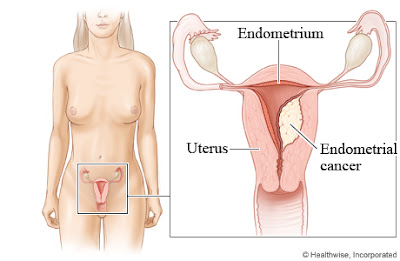
There is no single person who knows the exact causes of uterine cancer. However, it is clear that the disease is not contagious. There is no single person who can "catch" cancer from another person.
Women who get this disease more likely to have certain risk factors than other women. A risk factor is something that can increase the likelihood of someone developing the disease.
Most women who have known risk factors do not get uterine cancer. On the other hand, many who have this disease do not have these factors. Doctors can seldom explain why one woman gets womb cancer while others do not.
Studies have found the following risk factors:
* Age. Uterine cancer occurs mostly in women aged over 50 years.* Endometrial hyperplasia. The risk of uterine cancer is higher if a woman has endometrial hyperplasia. This condition and its treatment are described above.* Hormone Replacement Therapy, Hormone replacement therapy (HRT). HRT is used to control symptoms of menopause, prevent osteoporosis (thinning bones), and reduce the risk of heart disease or stroke.
Women who use estrogen without progesterone have an increased risk of uterine cancer. Long-term use and large doses of estrogen seem to increase this risk. Women who use a combination of estrogen and progesterone have a risk of uterine cancer are lower than those women who only used estrogen alone. 
Progesterone protects the womb (uterus)
Women should discuss the benefits and risks of HRT with their doctors. Also, have examinations (checkups) regularly when taking HRT may improve the likelihood your doctor will find uterine cancer at an early stage, if he develops.* Obesity and related conditions. The body makes some of its estrogen in fatty tissue. That is why obese women are more likely than thin women have a level higher estrogen in the body-body. Estrogen levels are high may be the reason that obese women have an increased risk of developing uterine cancer. The risk of this disease is also higher in women with diabetes or high blood pressure (conditions that occur in many obese women).* Tamoxifen. Women who are taking tamoxifen to prevent or treat breast cancer have an increased risk of uterine cancer. This risk appears to be related to estrogen-like effect of this drug in the womb. Doctors monitor women taking tamoxifen for possible signs or symptoms of uterine cancer.
The benefits of tamoxifen to treat breast cancer outweigh the risk of developing other cancers. Still, every woman is different. Any woman considering taking tamoxifen should discuss with their doctors about personal and family medical history and her concerns.* Race. White women were more likely than women of African-American women get uterine cancer.* Colorectal Cancer (Colorectal cancer). The women who had received an inherited form of colorectal cancer (colorectal cancer) have a higher risk of developing uterine cancer than other women.
Other risk factors associated with how long the body of a woman's exposure to estrogen. Women who do not have children, begin menstruation at a very young age, or enter menopause late in life are exposed to estrogen longer and have a higher risk.
Women with risk factors that are known and those who are concerned about uterine cancer should ask their doctors about symptoms that should be monitored and how often do checkups. Doctor's advice will be based on the woman's age, medical history, and other factors.Gynecology Cancer Symptoms
Uterine cancer usually occurs after menopause. But he also can occur around the time menopause started. Abnormal vaginal bleeding is the most common symptom of uterine cancer. Bleeding may start as a liquid flow of blood striped gradually contains more blood. Women should not assume that abnormal vaginal bleeding is part of menopause.
A woman should see her doctor if she has symptoms anywhere from the following:
* Bleeding or unusual vaginal discharge* Difficult or painful urination* Painful intercourse time* Pain in the pelvic area
These symptoms may be caused by cancer or conditions that other less serious. More often they are not cancer, but only a doctor can be sure.
Gynecology Cancer Diagnosis
If a woman has symptoms that suggest uterine cancer, her doctor may check general signs of health and may order blood tests and urine. Doctors may also perform one or more examinations or tests that are discussed on the following pages.
* Pelvic exam - A woman has a pelvic exam to check the vagina, uterus, bladder, and rectum. Doctor feels these organs for any lumps or changes shape and size. To see the top of the vagina and uterus lehe, the doctor inserts an instrument called a speculum into the vagina.* A Pap test - The doctor takes cells from the cervix and upper vagina. A medical laboratory checks for abnormal cells. Although the Pap test can detect cervical cancer, cells from the inside of the womb is usually not seen on a Pap test. This is why doctors take samples of cells from the inside of the womb in a procedure called a biopsy.* Transvaginal ultrasound - The doctor inserts an instrument into the vagina. The tool directs sound waves at high-frequency content. The patterns of the echoes they produce creates a picture. If the endometrium looks too thick, the doctor may perform a biopsy.* Biopsy - The doctor removes a sample of tissue from the lining of the uterus. This can usually be done in the doctor's office. In some cases, however, a woman may require a dilation and curettage (D & C). A D & C is usually done as same-day surgery with anesthesia in a house hurt. A pathologist examines the tissue to check for cancer cells, hyperplasia, and other conditions. For a short time after the biopsy, some women have cramps and vaginal bleeding.Increased Cancer Gynecology
If uterine cancer is diagnosed, the doctor needs to know the level, or extent, of the disease to plan the best treatment. The increase is a careful attempt to determine whether the cancer has spread, and if so, to what parts of the body.
The doctor may order blood tests and urine tests and chest x-rays. The woman also may have other x-rays, CT scans, and ultrasound tests, magnetic resonance imaging (MRI), sigmoidoscopy, or colonoscopy.
In most cases, the most reliable way to make levels of this disease is to remove the womb (hysterectomy). Once the content is removed, the surgeon can look for obvious signs that the cancer has invaded the muscle content. The surgeon also can check the lymph nodes and other organs in the pelvic area for signs of cancer. A pathologist uses a microscope to check the contents and other tissues are removed by surgeons.
These are the main characteristics of each level of disease:
* Level I - Cancer is only in the body content. Not in the cervix.* Level II - cancer has spread from the body content of the cervix.* Level III - Cancer has spread out from the womb, but not yet out of the pelvis (and not to the bladder or rectum). Lymph nodes in the pelvis may contain cancer cells.* Level IV - The cancer has spread to the bladder or rectum. Or it has spread beyond the pelvis to other parts of the body.
Cancer Care Ingredients
Many women who want to take an active part in making decisions about their health care. They want to learn all they can about their disease and their treatment choices. However, shock and stress that can be felt by the people after a cancer diagnosis can make it difficult for them to think of everything that they want to ask the doctor. It is often useful to create a list of questions before an appointment. To remember what was said by doctors, patients may take notes or ask whether they can use a tape recorder. Some women also want to have a family member or friend with them when they talk with the doctor - to take part in discussions, to note, or just listen.
Doctors of patients may be referred to the physician-doter specializing (specialists) in the treatment of cancer, or he can ask for references. Treatment usually begins within a few weeks after diagnosis. There is a time for women to talk to your doctor about treatment choices, get a second opinion, and learn more challenged uterine cancer.
Getting a second opinion
Before starting treatment, a woman may want a second opinion about the diagnosis, cancer rates, and treatment plans. Some companies require a second opinion  others may be complementary to a second opinion if the woman requests it. Collect medical records and make an appointment with the doctor may take a little time. In most cases, a short delay does not make treatment less effective.
There are a number of ways to find a doctor for a second opinion:
* Your doctor may refer you to one or more specialists. Specialists who treat women with uterine cancer including surgeons, gynecologic oncologists (gynecologic oncologists), cancer treatment specialists (medical oncologists), and radiation cancer specialists (radiation oncologists). At cancer centers, several specialists often work together as a team (team).* NCI's Cancer Information Service at 1-800-4-CANCER, can tell you about the treatment centers are adjacent.* The American Board of Medical Specialties (ABMS) has a dafter of the doctors who have received training and passed the exam in the specialty.Preparation for Treatment
Options for treatment depends on tumor size, stage of disease, whether female hormones affect tumor growth, and levels of tumor. (The rate tells how closely the cancer cells resemble normal cells and suggests how quickly the cancer may grow. Cancers low levels likely to grow and spread more slowly than the high level of cancers). Doctors also consider other factors, including age and general health of women.Methods of Treatment of Cancer Gynecology
Women with uterine cancer have many treatment choices. Most women with uterine cancer treated with surgery. Some have radiation therapy. A smaller number of women may be treated with hormone therapy. Some patients received a combination of therapies.
The doctor is the best person to describe / explain the treatment choices and discuss the results of treatment are expected.
A woman may want to talk to her doctor about taking part in a clinical trial, a research study of treatment methods are new. Clinical trials are an important option for women with all levels of uterine cancer.
Most women with uterine cancer have surgery to remove the womb (hysterectomy) through an incision in the abdomen. Doctors also raised both fallopian tubes and both ovaries (ovaries). This procedure is called a bilateral salpingo-oophorectomy.
The doctor may also raise the lymph nodes near the tumor to see whether they contain cancer. If cancer cells have reached the lymph nodes, it can mean that the disease has spread to other parts of the body. If cancer cells have not spread outside the endometrium, the woman may not require any other treatment. Lengthy hospital stays may vary from several days to a week.
In radiation therapy, high-energy rays are used to kill cancer cells. Like surgery, radiation therapy is a local therapy. It affects cancer cells only in the treated area.
Some women with uterine cancer stage I, II, or III require both radiation therapy and surgery. They may have radiation before surgery to shrink tumors or after surgery to destroy cancer cells anywhere that remain in the area. Also, your doctor may suggest radiation treatments for a small number of women who can not run the operation.
Doctors use two types of radiation therapy to treat uterine cancer:
* External radiation: In external radiation therapy, a large machine outside the body is used to direct radiation at the tumor area. The woman is usually an outpatient hospital or clinic and receives external radiation 5 days a week for several weeks. This schedule helps protect cells and tissues healthy by spreading out the total dose of radiation. No radioactive materials are placed into the body for external radiation therapy.* Internal radiation: In internal radiation therapy, tiny tubes containing a radioactive substance is inserted through the vagina and left in place for several days. This woman stayed in the hospital for treatment in. To protect others from exposure to radioactive, the patient can not receive guests or can receive visitors only for a short period of time when the implant in place. Once the implant is removed, the woman has no radioactivity in her body.
Some patients need both external and internal radiation therapy
Hormone therapy involves elements which prevent cancer cells gain or using the hormones they may need to grow. Hormones can be linked to cells that hormone receptors (hormone receptors), causing changes in the content network. Before treatment starts, your doctor may request a hormone receptor test. Lab tests of a network of specialized content that will help your doctor learn if cells are estrogen and progesterone receptors are present. If the tissue has receptors, the woman likely to respond to hormonal therapy.
Hormone therapy is called a systemic therapy because it can affect cancer cells throughout the body. Typically, hormone therapy is a type of progesterone taken as a pill.
Doctors may use hormonal therapy for women with uterine cancer that can not have surgery or radiation therapy. Also, your doctor may give hormone therapy in women with uterine cancer that has spread to the lungs or other distant places. He was also given to women with uterine cancer that has come back.Side Effects of Cancer Treatments
Because cancer treatment can damage cells and tissues healthy, side effects sometimes occur that are not desirable. These side effects depends on many factors, including the type and extent of treatment. Side effects may not be the same for everyone, and they may even change from one treatment session to the next session. Before treatment starts, doctors and nuns will explain possible side effects and how they will help you control them.Operation
After a hysterectomy, women usually have some pain and feel very tired. Most women return to their normal activities within 4 to 8 weeks after surgery. Some may require more time than that.
Some women may have problems with nausea and vomiting after surgery, and some may have problems bladder and bowel. Physicians may restrict his diet to liquids woman first time, with a return to solid foods gradually.
Women who have had a hysterectomy no longer have menstrual periods and no longer able to conceive. When the ovaries (ovaries) removed, menopause occurs at once. Heartburn and other symptoms of menopause caused by surgery may be more severe than those caused by natural menopause. Hormone replacement therapy [Hormone replacement therapy (HRT)] is often given to women who do not have uterine cancer to relieve these problems. However, doctors usually do not give the hormone estrogen in women who have had uterine cancer. Since estrogen is a risk factor for this disease, many doctors are concerned that estrogen may cause uterine cancer to recur. Other doctors showed that there is no scientific evidence that estrogen increases the risk that cancer will recur. NCI is sponsoring a large research study to learn whether women who have had early stage uterine cancer can take it safely.
For some women, a hysterectomy can affect sexual intimacy. A woman may lose the feeling that may make intimacy difficult. Sharing these feelings with his partner may be beneficial.Radiation Therapy
Side effects from radiation therapy depend mainly of the treatment dose and the body part being treated. Side effects of radiation, including the general dryness, flushed skin and hair loss in the treated area, loss of appetite, and fatigue. Some women may have vaginal dryness, itching, tightening, and burning. Radiation also may cause diarrhea or frequent urination and unpleasant. He may reduce the number of white blood cells, which help protect the body against infection.
Doctors may advise their patients not to have intercourse during radiation therapy. However, most can resume sexual activity within a few weeks after treatment ended. Your doctor or nurse may suggest ways to eliminate all uncomfortable vagina associated with treatment.
Hormone Therapy
Hormone therapy can cause some side effects. The women who wear progesterone may retain fluid, have an increased appetite, and weight gain. Women who are still menstruating may have changes in their periods.Nutrition
People need to eat well during cancer therapy. They need calories and proteins are sufficient to promote healing, maintain strength, and maintaining a healthy weight. Eating well often helps people with cancer feel better and have more energy.
Patients may not feel like eating if they feel uncomfortable or tired. Also, the side effects of treatment such as no appetite, nausea, or vomiting can make eating difficult. Foods may taste different.
Doctors, dieticians, or other health care can advise patients about ways to maintain a healthy diet.
Concern on the Follow-up
Concern on the Follow-up after treatment of uterine cancer is important. Women should not hesitate to discuss follow-ups with their doctor. Regular checkups ensure that any changes in the health record. Any problem that develops can be found and treated as soon as possible. Checkups may include a physical examination, a pelvic examination, x-rays, and laboratory tests.
Women-Support For Women With Cancer Gynecology
Support groups can also help. In these groups, patients or family members meet with other patients or their families to share what they have learned about coping with illness and treatment effects. These groups can offer support in person, via telephone, or internet. May you want to talk to someone from your health care team about finding a support group.
It is natural for a woman concerned about the effects of uterine cancer and its treatment . He might want to talk with their doctors about the possible side effects and whether these effects are probably a temporary or permanent. Whatever the predictions, it may be beneficial for women and their partners to talk about their feelings and help each other find the streets to share intimacy during and after treatment.
People living with cancer may be concerned about the care their families, keeping their jobs, or survive with daily activities. Concerns-concerns about the care and control of side effects, hospital stays, and medical costs are also common. The doctors, nuns, and members of other health care team will answer questions about care, employment, or other activities. Met a social worker, counselor, or member of the religious can be beneficial to those who want to talk about their feelings or discuss their concerns-concerns. Often, a social worker can suggest sources of financial aid, transportation, home care, or emotional support.
Promise of Cancer Research
Doctors across the country are conducting many types of clinical trials, research studies where people take part voluntarily. Many studies of treatment for women with uterine cancer was on his way. Research has led to advances, and researchers are continually seeking approaches more effective.
Patients who take part in clinical trials have the first chance to benefit from treatments that have shown promise (hope) in an earlier study. They also make an important contribution to medical science by helping doctors learn more about the disease. Although the clinical trials described some of the risks, researchers take many steps very carefully to protect the people who took part.
In a large trial with hundreds of women, doctors are studying a method much less extensive operation to raise the womb. Normally, the doctor makes an incision in the abdomen to remove the womb. In this study, doctors use a laparoscope (a tube that shine) to help lift the womb through the vagina. Also, doctors may use a laparoscope to help remove the ovaries and lymph nodes and look into the abdomen for signs of cancer.
Other researchers are looking at the effectiveness of radiation therapy after surgery, as well as on a combination of surgery, radiation, and chemotherapy. Other trials are studying new drugs, new combination of drugs, and biological therapies. Some of these studies were created to find ways of reducing the side effects of treatment and improve quality of life of women.